Phone:
  Email:
Sometimes yes, and sometimes they are an expensive solution to a problem you did not have. Anti-graffiti coatings get sold hard, and the marketing rarely distinguishes between the walls where they transform your maintenance costs and the walls where they change nothing except your budget. After four decades of removing graffiti across the Denver Metro, here is the honest version of when coatings earn their keep.
What Anti-Graffiti Coatings Actually Do
Start with the most common misunderstanding. A coating does not stop anyone from tagging your building. Nobody looks at a treated wall and walks away. What a coating does is prevent the paint from bonding to the surface underneath, which turns removal from a restoration project into a wash.
That distinction is where the real value sits. On untreated porous masonry, spray paint soaks into the pores, and getting it out often takes aggressive chemicals or abrasive methods. Each of those cycles takes a little of the wall with it. A coating keeps the paint sitting on top, so removal is gentler, faster, and far less likely to leave shadowing or erode the substrate over years of repeat incidents.
The Three Types of Coating
Sacrificial coatings
These are typically wax-based or built from polysaccharide and starch chemistry, forming a clear film that bonds weakly to the surface. When the wall gets tagged, the coating comes off with the graffiti, usually under hot pressurized water, and a fresh layer goes back on afterward.
They cost the least upfront and suit surfaces hit occasionally. One practical detail that catches people out: removal generally requires genuinely hot water, often around 180 degrees, and a standard cold pressure washer will not do it. Sacrificial coatings are also the preferred choice over murals and painted artwork, because they do not add the gloss that permanent systems tend to leave behind.
Semi-sacrificial coatings
Usually high-build acrylics that shed a layer with each cleaning rather than coming off entirely. They last through several incidents before needing reapplication, which puts them between the other two categories on both cost and lifespan. These often suit natural stone and older masonry, where you want protection without committing to something irreversible.
Permanent coatings
Also called non-sacrificial. These are polyurethane, siloxane, silicone elastomer, fluorinated, or nanoparticle systems that bond with the surface and stay put through repeated cleanings. They work by creating a low surface energy barrier that paint struggles to grip, so tags wipe off with solvent or low-pressure water and the coating survives.
Depending on composition and exposure, a permanent system can last a decade or more. It also costs the most, usually requires a trained or licensed applicator, and needs specific conditions during application to cure properly.
Where Coatings Genuinely Pay Off
The case is strongest when several of these apply:
- The same elevation gets hit repeatedly rather than occasionally
- The substrate is porous, such as brick, unsealed concrete, or stucco
- The wall is difficult or costly to access for removal
- The surface is historic, irreplaceable, or expensive to restore
- Aggressive cleaning has already caused visible substrate damage
Porous masonry on a chronic target is the clearest case of all. Those walls degrade with every removal cycle, and the coating is protecting the building rather than saving labor.
Where They Are Often a Waste
Permanent coatings in particular get specified in situations that do not call for them. Preservation specialists who have tested coatings on historic masonry consistently note that the products must be matched carefully to the substrate, and that the wrong choice can be worse than no coating at all.
Coating tends to be poor value when the wall gets tagged rarely, when the surface is already smooth and non-porous so removal is straightforward anyway, when the elevation is scheduled for repainting in the near term, or when the budget would do more good spent on lighting and access control at the same location. A wall hit once every few years does not justify a system that needs periodic renewal.
The Appearance Tradeoff Nobody Mentions
Permanent coatings frequently change how a surface looks, adding a gloss or semi-gloss sheen that reads as artificial on natural brick and stone. On a warehouse elevation nobody notices. On the front of a retail center or a historic building, it can be a serious problem.
There is also a long-term failure mode worth understanding. After repeated cleanings, sustained UV exposure, and mineral movement through the masonry, some permanent coatings begin to cloud, peel, or delaminate in patches. Removing a failed permanent coating is considerably harder than applying it was. Ask for a sample application on an inconspicuous section before committing to a full elevation.
The Colorado Factor: Breathability and Freeze-Thaw
This is the consideration that matters most along the Front Range, and it gets almost no attention in product marketing.
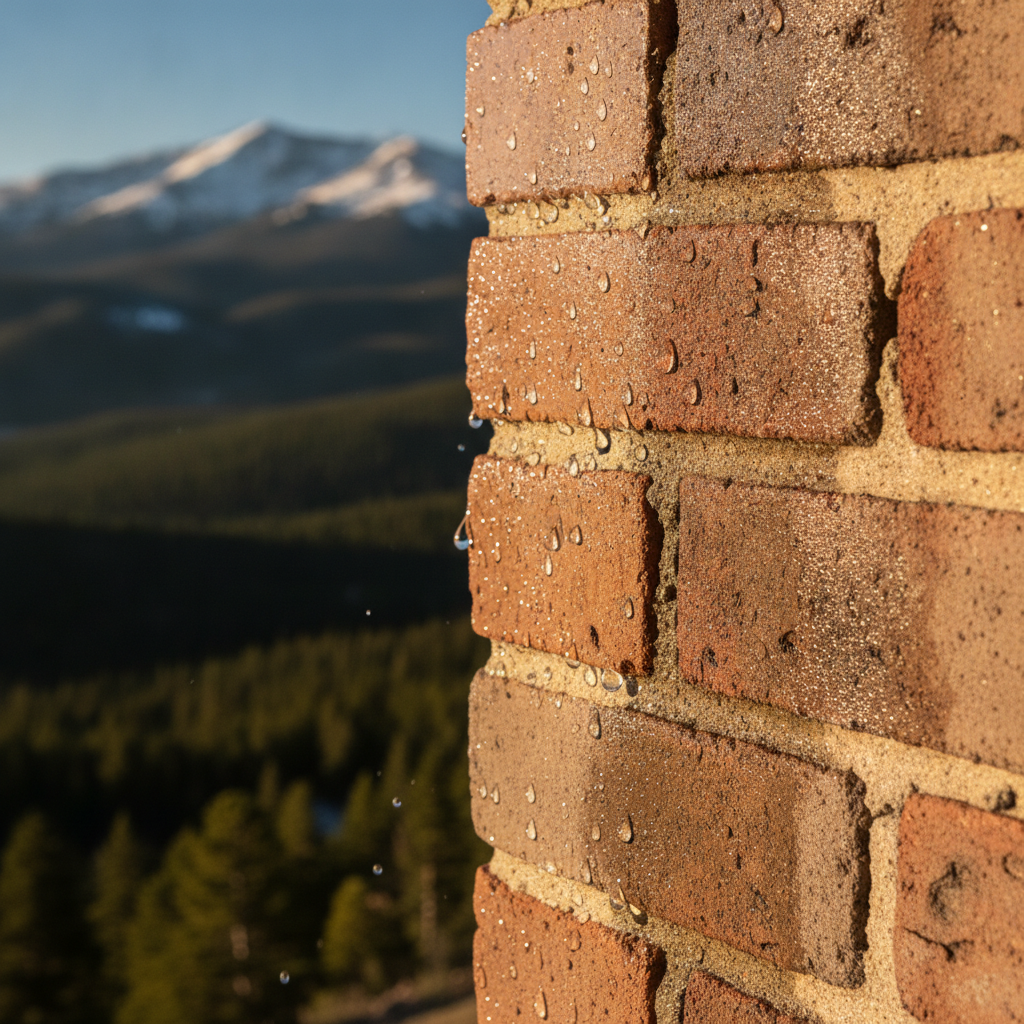
Masonry needs to release moisture. Brick and concrete absorb water and let it evaporate back out through the surface. Seal that surface with a film that does not breathe, and the moisture stays in the wall. When temperatures drop, the trapped water freezes and expands, and the pressure pushes the face of the brick off. That is spalling, and it is permanent damage that costs far more to repair than any number of graffiti removals.
Denver runs through freeze-thaw cycles constantly through winter and shoulder seasons, which makes this a live risk rather than a theoretical one. If you are coating masonry here, breathability is not a feature to compare. It is a requirement. Vapor-permeable systems exist for exactly this reason, and a contractor who cannot tell you the permeability of what they are proposing is not the contractor for the job.
Two other local realities. High-altitude UV exposure degrades coatings faster here than manufacturer literature usually assumes, so plan renewal intervals conservatively. And most products have a minimum application temperature, which closes the window for coating work through much of the Colorado winter. Schedule it for the warmer months.
Surface Preparation Decides the Outcome
A coating applied over existing staining locks that staining in permanently. Whatever the wall looks like when the coating goes on is what you have for the life of the system. Proper restoration first is not optional, and on masonry with previous tags burned in, that usually means soda blasting or walnut shell blasting, both of which are gentle enough for delicate substrates. Harder surfaces and industrial applications may call for sandblasting instead. Getting the wall genuinely clean and fully dry before application does more for the result than the choice of product.
Running the Numbers
The math is simpler than it looks. Work out what you currently spend removing graffiti from a given elevation over a year, then compare it against the coating cost plus its expected renewal cycle, and factor in the substrate damage you avoid.
For a wall tagged monthly, coatings usually pay back quickly and the reduced wear on the masonry is a bonus. For a wall tagged twice a year, the arithmetic rarely works, and a standing rapid-removal arrangement delivers more for less. The frequency of incidents is the number that decides it, which is why documenting where and how often you get hit is worth doing before you spend anything on coatings.
How to Decide
Run through this before signing anything:
- How many incidents has this specific elevation had in the past year
- What is the substrate, and how porous is it
- Is the proposed product vapor permeable
- Will it change the appearance, and have you seen a test section
- What is the realistic renewal interval in Colorado conditions
- Does the wall need restoration before anything is applied
- Would lighting or access changes solve it for less
Get an Honest Assessment
Lightning Mobile Services has handled graffiti removal and exterior restoration for Denver Metro property managers for more than 40 years, working with ownership groups and management companies including CBRE, JLL, and Marriott brand hotels. We will tell you when a coating makes sense for your building and when your money is better spent elsewhere. We also handle pressure washing and full surface restoration when a wall needs bringing back before anything protective goes on. You can see examples in our before and after gallery or contact us to walk the property.