Phone:
  Email:
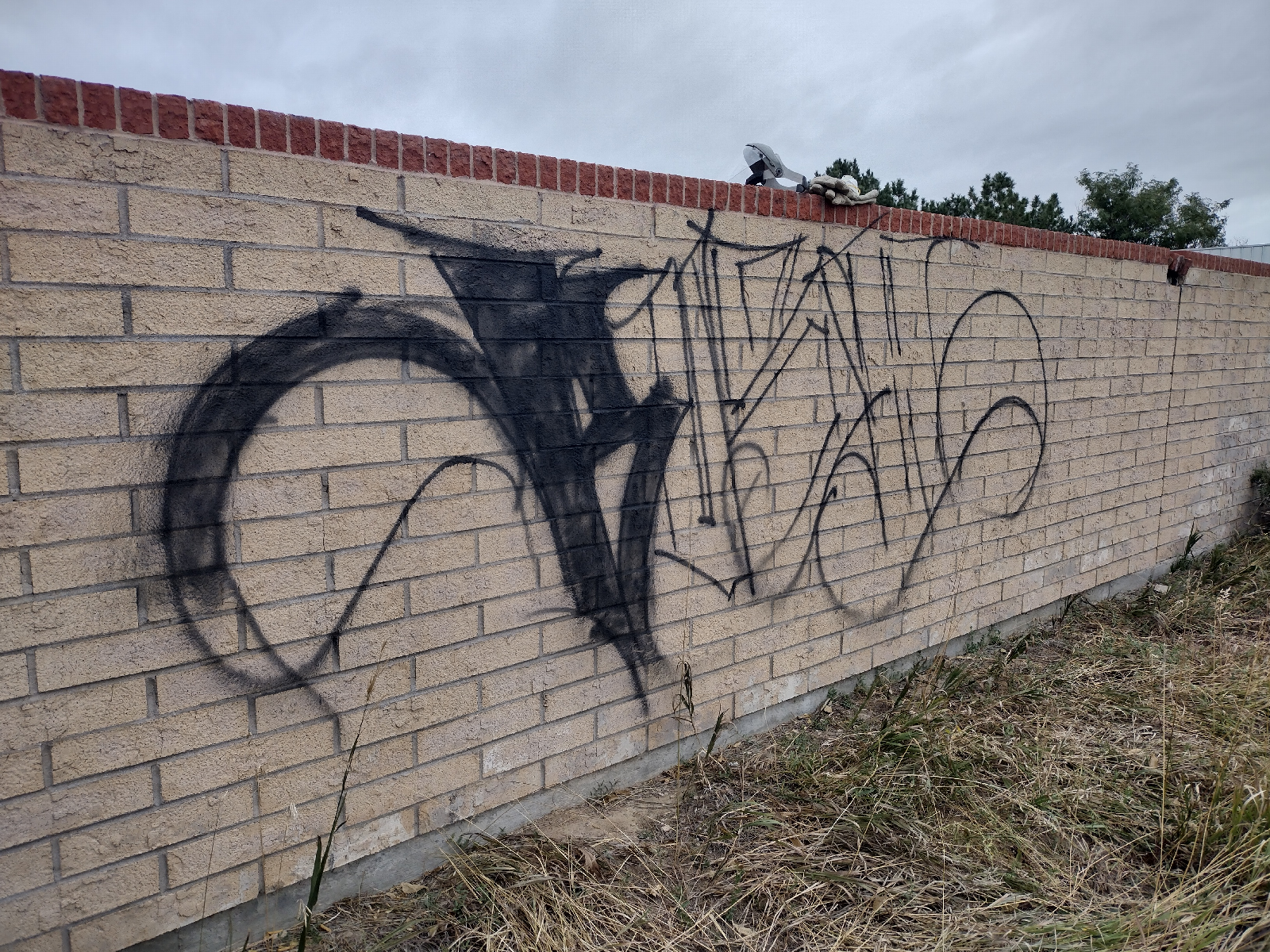
Yes, though the mechanism matters more than the headline. A single tag removed within a day or two has almost no lasting effect on what a property is worth. What damages value is persistence, and more often than people expect, the damage comes from how the graffiti was handled rather than the graffiti itself.
The most common response is to paint over it. That decision is usually made in a hurry, feels like the practical choice, and frequently costs a property more in appearance and value than the original tag ever would have.
How Graffiti Actually Affects Property Value
The underlying dynamic is well documented. The broken windows theory holds that visible signs of disorder signal that nobody is maintaining a space, which invites further damage and shifts how people behave in and around it. Applied to commercial property, that plays out in ways that show up on a balance sheet.
Tenants renewing a lease notice whether the building looks cared for. Retail customers form an impression of a center before they park. Prospective buyers and appraisers read a patched, marked, or mismatched exterior as deferred maintenance and adjust their expectations about everything they cannot see. None of these are dramatic single events. They accumulate.
The encouraging part is that the effect is tied to what remains visible. Properties that address incidents quickly and completely tend not to carry any lasting penalty. Properties that let tags sit, or that accumulate a patchwork of mismatched paint over the years, carry it permanently.
The Repainting Trap
Painting over a tag is appealing because it is immediate. Paint is often already on site, no specialist is needed, and the tag disappears within the hour. The problems arrive later.
Color match is the first one. Exterior paint weathers, fades, and shifts with sun exposure, so a fresh patch of the original color rarely matches the wall around it. What you get is a visible rectangle announcing that something was covered up. From the street it reads as damage rather than maintenance.
Then it compounds. A wall hit repeatedly and patched each time accumulates layers of slightly different shades and textures. After a few seasons the elevation looks worse than a single clean tag ever did, and the only remedy is repainting the entire surface.
There is also a behavioral problem. A freshly painted rectangle is a clean canvas on a wall that has already been identified as a target. Plenty of property managers find the patch itself gets tagged again within days.
Graffiti Removal vs Repainting: What Happens to the Wall
The two approaches diverge in ways that matter over a building’s life:
- Removal restores the original surface, while repainting conceals it
- Removal leaves no visual record, while repainting leaves a patch
- Removal keeps the substrate exposed and breathable, while paint seals it
- Removal avoids accumulating layers, while repeated patching builds them
- Removal preserves architectural character, while paint often eliminates it permanently
The last point deserves emphasis. Painting brick, stone, or decorative masonry is close to irreversible. Getting paint back off those materials later is expensive, slow, and sometimes impossible without damage. A decision made in twenty minutes to cover one tag can permanently change the appearance of a building facade.
Why Painting Masonry Is Usually the Wrong Call in Colorado
There is a structural argument too, and it is specific to this climate. Brick and concrete absorb moisture and release it back through the surface. Sealing that surface with a paint film that does not breathe traps water inside the wall. When temperatures drop, the trapped moisture freezes, expands, and pushes the face of the brick off.
That is spalling, and along the Front Range, where freeze-thaw cycling runs constantly through winter and the shoulder seasons, it is a live risk rather than a theoretical one. Repairing spalled masonry costs many multiples of what removing the graffiti would have. Painting a masonry elevation to hide a tag can quietly start a much more expensive problem.
How to Remove Graffiti Without Repainting
Nearly every substrate has a removal method that leaves it intact. The right choice depends on what the wall is made of and what was sprayed on it.
For porous masonry, brick, and stone, gentle abrasive methods do the work without eroding the surface. Soda blasting uses a water-soluble media soft enough for delicate substrates. Walnut shell and corn cob blasting are softer still, which suits historic masonry and surfaces where preserving the original face is the priority.
For metal, equipment, and surfaces where you want no media residue at all, dry ice blasting sublimates on contact and leaves nothing behind to clean up. Harder industrial substrates and heavy coating removal may call for sandblasting or other media blasting methods, and smooth non-porous surfaces often clear with hot water pressure washing and the right chemistry.
Speed helps considerably here. Fresh paint has not weathered into the substrate and lifts far more completely, which is another argument against reaching for the paint can as a stopgap and dealing with it properly later.
When Repainting Does Make Sense
There are legitimate cases. If the elevation is already painted, the paint is the finish rather than a cover-up, and you can repaint the full wall or a clean architectural break rather than a patch, repainting is reasonable and often the practical answer. It also makes sense when the surface was scheduled for repainting anyway, or when the substrate is so damaged from previous incidents that restoration is no longer realistic.
The distinction that matters is full-surface repainting versus spot patching. The first is maintenance. The second is what creates the patchwork that hurts your property’s appearance over time.
What This Means for Your Property
Graffiti lowers property value when it is allowed to become visible evidence of neglect, and patched paint is visible evidence of neglect. The standard that protects value is straightforward: address incidents quickly, remove rather than conceal wherever the substrate allows, and repaint whole surfaces rather than rectangles when painting is genuinely the right answer.
Property managers who hold that line tend to find the issue stops being a recurring line item and becomes an occasional one.
Talk Through Your Property
Lightning Mobile Services has handled graffiti removal for Denver Metro property managers, ownership groups, and contractors for more than 40 years, including work for CBRE, JLL, and Marriott brand hotels. We match the removal method to your substrate so the wall comes back rather than getting covered up. You can see the results in our before and after gallery, or contact us to walk the property and put a plan together.
“`